Perfectionist Auto Sound and Security

Alaska's Most Award Winning Auto Customizer

  • About Us
    • Why Choose Us
    • Meet Our Team
    • Our Awards
    • Virtual Tour
    • Community Engagement
  • Signature Products
    • DroneMobile
    • SoundShield®
  • Services
    • Remote Car Starters
      • Vehicle Security
    • Car Audio
      • Sound Deadening
    • Custom Fabrication
    • Driver Safety
      • Bluetooth
      • Blind Spot Safety Systems
      • Camera Systems
      • Navigation Systems
    • Laser And Radar Detectors
    • Lighting
    • Offroad and Marine
      • Motorcycle Audio
    • Custom Interiors
    • Performance
      • Tires and Wheels
      • Suspensions / Lift & Lower
    • PRO Commercial Division
  • Gallery
    • Photos
    • Videos
    • Wallpaper Downloads
  • Contact Us
    • FAQ
    • Feedback
    • Join Our Team

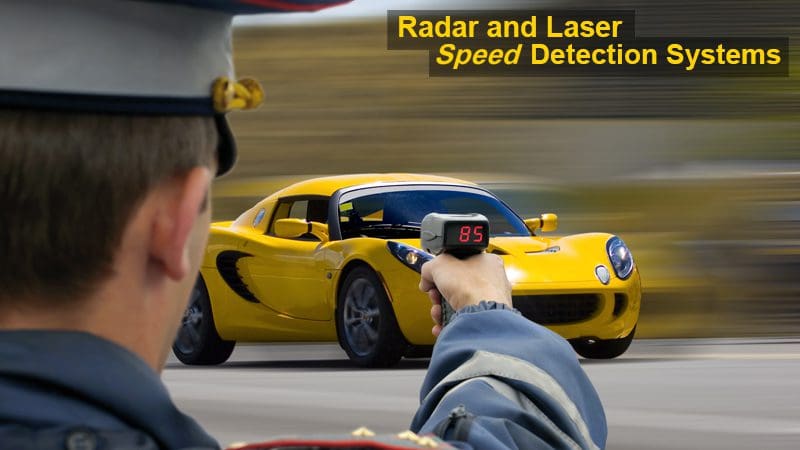
Radar and Laser Speed Detection Systems

02/12/2017 By John Schwartz

RadarDo you like to drive fast? Do you find yourself cruising at speeds above the posted limit? If you are one of these people and the local laws allow it, you may want to consider purchasing a radar detector and laser defuser system. This article looks at the solutions available and the features and benefits of each.

What is Radar Speed Detection?
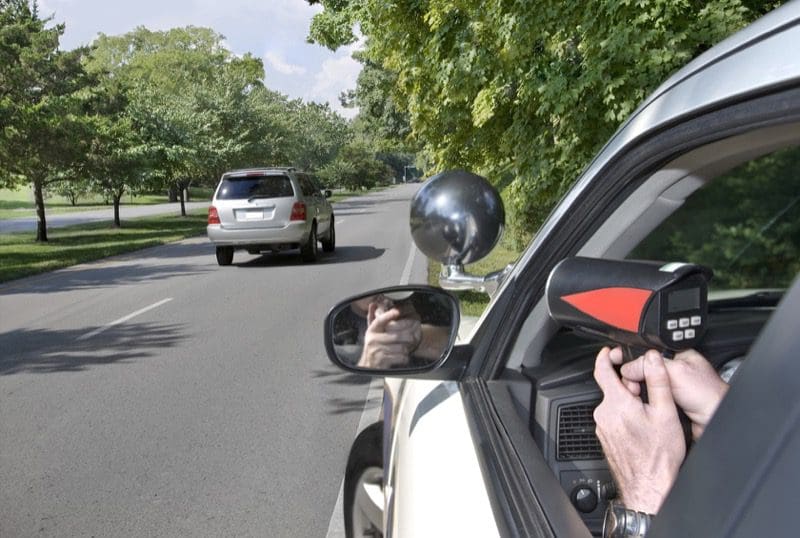
RadarLaw enforcement agencies all over the world use radar to measure the speed of vehicles. Radar stands for Radio Detection And Ranging. Radar detectors work by sending a beam of radio waves at the vehicle or object that is to be measured. These radio waves are sent a specific frequency. When the radio waves hit a moving object, they reflect back at a different frequency. This change in frequency is called a Doppler shift. How much the frequency shifts from the original transmitted one is determined by the speed of the vehicle. A detector in the radar gun picks up the signal reflections from the vehicle and analyzes their frequency content to perform a speed calculation. The radar gun then displays the object’s speed on an attached screen.

Four common radar frequency bands are in use: X, K, Ka and Ku bands. The X-band ranges from 8 to 12 GHz, with 10.5 GHz being the most popular in North America. K-band ranges from 18 to 26.5 GHz, with 24.12 to 24.17 GHz being popular. Ka-band extends from the top of the K band up to 40G Hz. Frequencies from 33.8 to 25.7 GHz are popular. Finally, Ku-band fills in the frequencies between the X and K bands but is primarily used in Europe.

What is Laser Speed Detection?

RadarWhen the availability of radar detectors became so prevalent, law enforcement agencies were forced to find alternate ways of catching speeders. Developed in 1989 by Laser Technology Inc., laser-based speed detection guns transmit a beam of pulsed light to the vehicle, then calculate how long it takes for the beam to reflect back. Based on the time it takes, the unit can measure the distance to a vehicle almost instantly and with excellent accuracy.

As the distance changes, the laser gun calculates this rate of distance change as the speed of the vehicle. Unlike radar system, the laser beam is very narrow, often spreading over less than 3 feet at a range of 1,000 feet. This range makes laser very accurate. In fact, some of the newest laser speed guns can work at ranges of up to 4,000 feet. The technical name for laser speed detection is Lidar, but most people refer to it is a laser speed measuring device, or more simply, a laser gun – George Lucas would be proud!

Radar Detection Systems

While not allowed in all states and provinces, a radar detection system is designed with a receiver that is tuned to the X, K and Ka bands. When it detects radio frequency energy in these bands, it produces a warning to alert the driver to the possible presence of a radar speed detection system. It is up to the driver to slow down to a legal speed before the officer can get a reading.
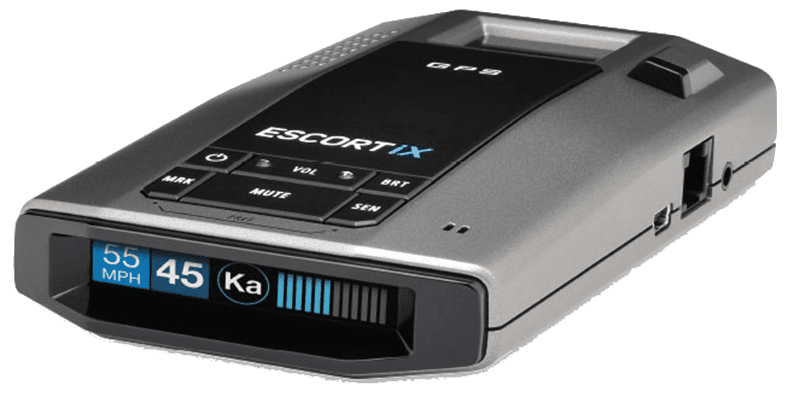
RadarThere are two popular types of radar detectors: portable windshield mount systems and systems that are installed in a vehicle. The portable units are great for people who travel and may want to use them in their rental cars. These are also a good solution for people with more than one vehicle. Because the system is portable, the radar detection sensor is smaller, and it isn’t as sensitive and doesn’t provide as much warning as an installed system.

Custom-installed radar detection systems typically include dedicated front and rear sensors. These sensors can be mounted behind plastic bumper covers to conceal them without hindering their operation. Many systems are almost invisible in the interior of the vehicle, although clients may opt for a small control panel to speed up changes in settings.

The inclusion of a GPS receiver in some systems allows owners to mark locations where false alarms are prevalent. Radar-controlled door openers and traffic flow detection systems can be a source of interference. Many new cars feature blind-spot monitoring systems and lane departure warning systems that can also cause false alarms.

Combating Laser Speed Detection
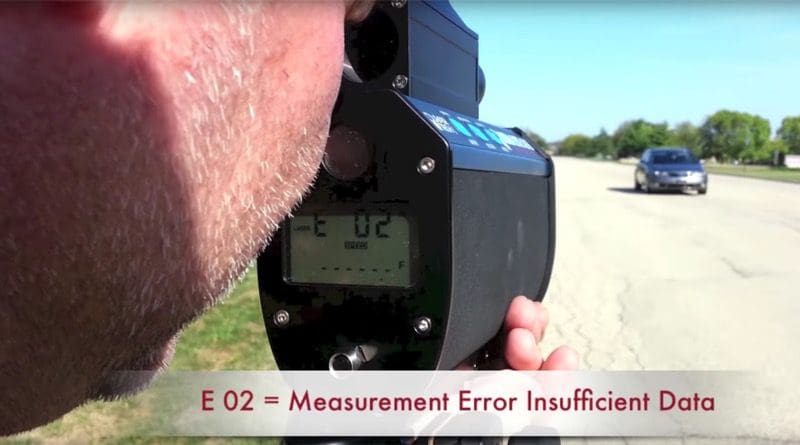
RadarMany different systems are available to combat an officer’s attempt to use laser ranging to capture your speed. These systems work by using multiple sensors placed on the front, and often rear, of the vehicle. These sensors detect the pulsed signal from the laser gun, then broadcast a modified and “confused” signal back to the unit. The result is that the laser gun is unable to calculate your vehicle’s speed.

Most retailers and manufacturers will suggest that once your detection system alerts you to the presence of a laser gun, you slow down to a legal speed and let the officer get a speed reading, if for no other reason than to appease their efforts to try to catch you.

When shopping for a laser defuser system, make sure you purchase one that can be upgraded easily. New and improved laser speed detection guns are also being introduced with different technologies to give law enforcement agencies an advantage over speeding drivers. As the companies that manufacture the defusers come up with solutions for each of these new products, Internet-based downloads are made available to update your system.

Installations
Radar
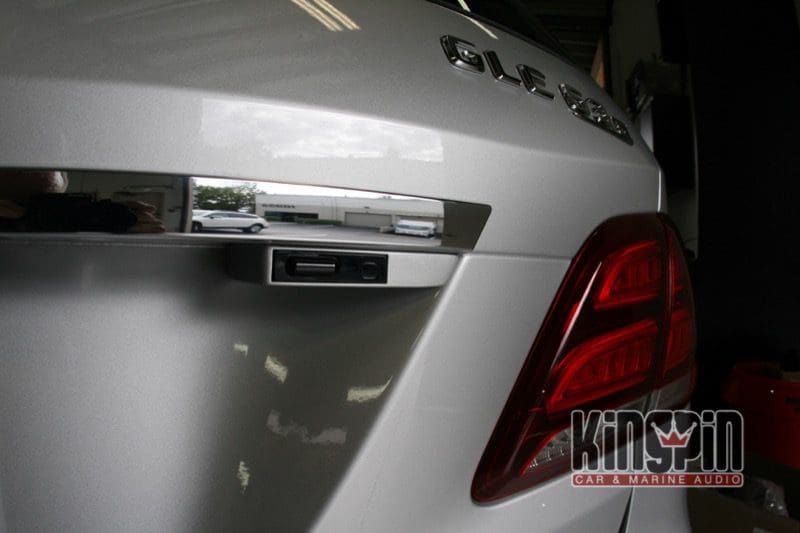
This custom laser defuser bracket by Kingpin Car Audio was made out of plastic and painted to match the vehicle.

A custom-installed radar detection and laser defuser system take some time to complete. Basic systems require several modules to be mounted securely, then all of the wiring must be run neatly and securely through the vehicle back to the main control unit. Complex systems that include GPS, front and rear radar detection, and as many as five laser defusers can take much longer to install. The laser defusers have to be mounted so their transceivers are clearly visible, and they must be horizontal to the ground during operation. Many specialists will create custom brackets to mount these sensors properly while maintaining a clean and tidy overall appearance for the vehicle.

If you are in the market for a radar detector or laser defuser system, contact your local specialist mobile electronics retailer. They would be happy to provide you with all the information you need to make the right purchasing decision, including how much it will cost. As always, we want you to drive your vehicle in a safe and legal manner.

This article is written and produced by the team at www.BestCarAudio.com. Reproduction or use of any kind is prohibited without the express written permission of 1sixty8 media.
Filed Under: ARTICLES, Radar Detectors, RESOURCE LIBRARY

What You Get When You Spend More Money On Speakers

02/05/2017 By John Schwartz

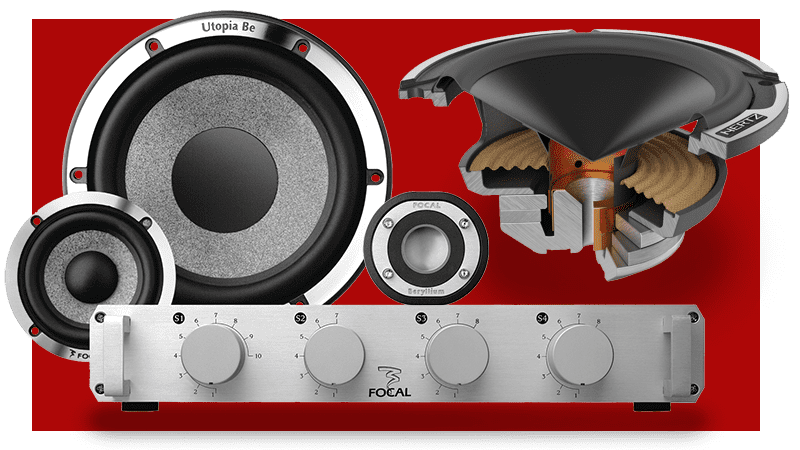
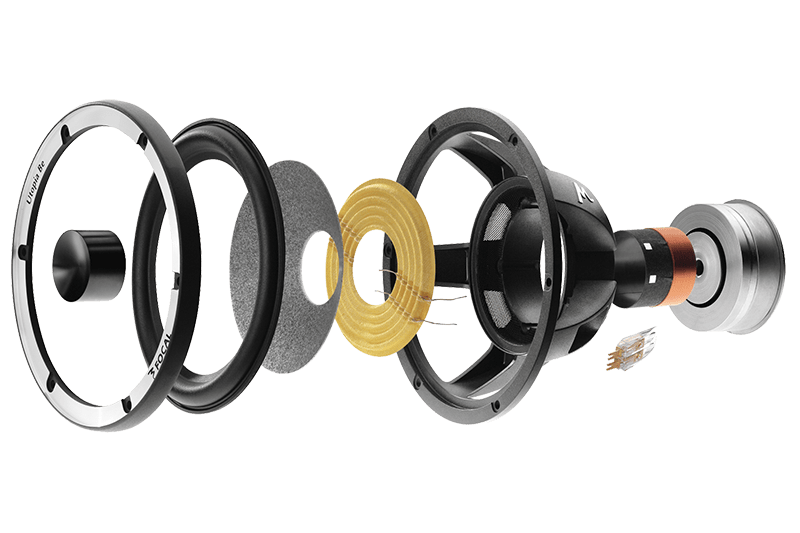
SpeakersAmong the most under-appreciated components in any audio system are the speakers. You could be using the best source unit on the planet, an amazing amplifier, and the most esoteric of interconnects and speaker cables – but if you don’t have great speakers, you still won’t have great sound. Your speakers are the only link between your electronics and your ears, so choosing great speakers is critically important to reproducing great sound. This article discusses what you get when you spend more money on speakers.

More Power Handling

Several factors limit the ability of a speaker to convert an electrical signal into speaker cone motion. One such limit is thermal capacity – just how much heat the voice coil, tinsel leads, former and cone can handle before one of them fails. Heat is the number-one enemy of speakers. Most of the power you send to your speakers is converted to heat rather than to sound – in fact, probably 95% or more is converted to heat.

As the quality of speakers increases, you often encounter a larger voice coil and better cooling technologies. These features, coupled with tighter tolerances around the voice coil, result in a speaker that can absorb more energy without failing.

More Excursion

Speakers
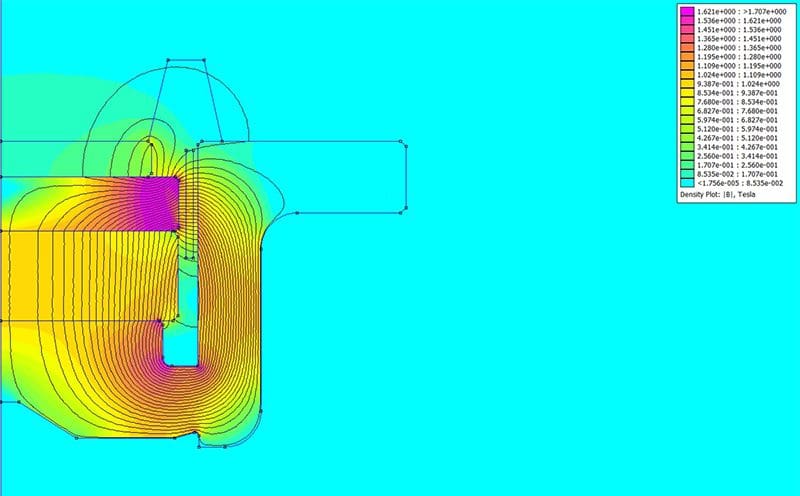
Analysis of the magnetic gap can help engineers increase motor strength.

Often tied directly to how much power a speaker can handle is the distance the speaker cone can move forward or back. This specification is called excursion. For most speakers, the specification for excursion is called Xmax. Xmax is the distance the cone can move in one direction without the voice coil moving out of the magnetic field, and the measurement is typically provided in millimeters.

A second and often equally important specification is Xmech or Xsus. These specifications describe the physical limit of how far the cone can move, based on the design of the suspension (spider and surround). A speaker can be pushed past the Xmax limit, but as this happens, distortion occurs. When a speaker cone reaches its physical excursion limit, distortion will spike even higher. When it comes to speakers, there is no good distortion, so operating them within their physical limits is critical to producing accurate sound.

Why is excursion important? When combined with the ability to handle more power, a “better” speaker will play louder when provided with more power. The same features also help to reduce a phenomenon called power compression. Power compression is a reduction in the efficiency of a speaker as its components heat up. The key drawback to power compression is that when the music gets quieter, you turn the volume up, thereby sending more power to the speaker and accelerating the heating effect. In no time, the speaker will fail.

Excursion Linearity

SpeakersIt’s one thing for a speaker to have good power handling and excursion characteristics. It is equally important that the speaker remains linear throughout its excursion-based operating range. All speakers change in their characteristics as excursion increases – a great speaker minimizes these.

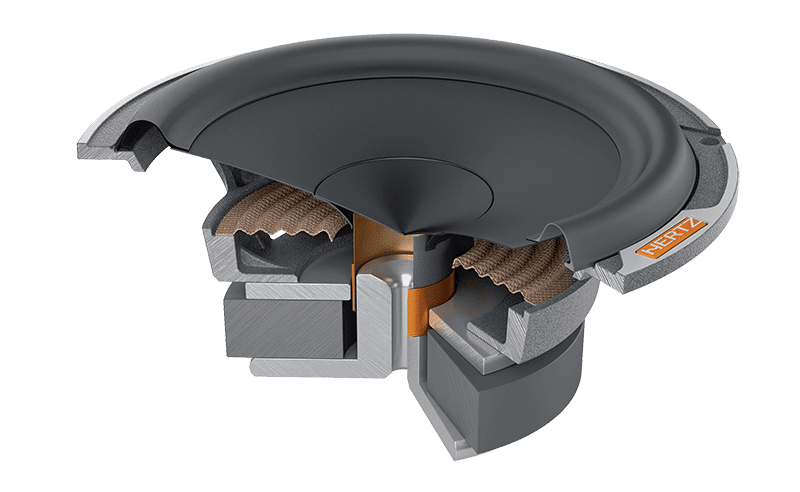
Let’s look at a common problem with “simple speakers.” One of the characteristics that limit the high-frequency response of a woofer or midrange driver is inductance. The voice coil of the speaker has some natural inductance because, well – it is a coil of wire. This inductance is increased when we place the voice coil around the T-yoke of a speaker.

This is where the problem occurs: As the coil moves forward, some of it may leave the T-yoke, which will reduce inductance. As the coil moves rearward, inductance may increase. The result is that the speaker has different frequency responses depending on where it is within its range of excursion. Truly excellent speakers use technologies to minimize these effects. The result are speakers that sound just as good at low to moderate drive levels as they do when being pushed hard.

More Frequency Response

This is a bit harder to describe, because sometimes the improvement from a basic to a mid-priced speaker, or a mid-priced speaker to a high-end one, is extended frequency response. More often, it’s smoother frequency response. Better-quality speakers are, ideally, designed to reduce distortion caused by cone resonances, suspension nonlinearities and magnetic field imbalances. As you spend more on speakers, you will see that peaks in their frequency response, especially in the midbass region, are tamed.

Many great speakers still exhibit some cone resonances at high frequencies. As long as the speaker you are using in the adjacent band will play low enough, those peaks are not critical.

Reduced Distortion

SpeakersWhen a speaker designer combines an appropriately damped and rigid cone with a carefully designed motor and suspension, the result is a speaker that produces less distortion. Some distortions are very subtle, while others are quite pronounced. Speakers exhibit both even- and odd-ordered harmonic distortions, depending on what component or design issue is to blame.

If you have read our article on distortion, then you know that it is the effect of adding content that was not in the original program material. Harmonic distortion results in even or odd multiples of a specific frequency.

When you hear an amazing speaker, the difference between it and an average speaker is clarity. Smooth frequency response and a lack of distortion make each sound the speaker produces more faithful to the recording. Voices will sound more realistic. Instruments will sound more natural. Complex passages will become easier to understand.

It is also critical to point out that distortions cannot be removed from a signal or sound once created. No amount of equalization can extract those harmonics. Yes, you can reduce their level, but you also reduce the level of original signal information at those same frequencies. The only solution is to use a speaker that does not introduce distortion.

The Right Tool for the Job

Speakers
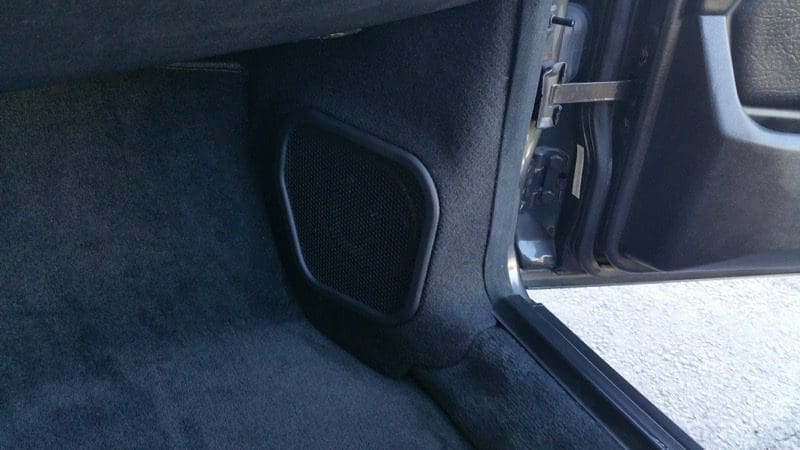
Unless properly installed, midbass speakers in kick panels can have poor response.

Another item that differentiates a good speaker from a great one is its design in terms of application. Let’s use a typical 6.5” midrange/midbass speaker as an example. If the speaker is designed to work in a typical door or rear deck-style installation, the Thiele-Small parameters for that transducer will be optimized for that application. If you attempt to put that speaker into a small kick panel pod that has only 0.1 cubic feet of air space, you will choke it. The low-frequency response will be dramatically reduced; typically, a bump in the midbass region will occur, and it will likely not sound very good. Most 6.5” speakers need an enclosure volume of about 0.6 cubic feet, and some want closer to 1.0 for smooth frequency response.

How do you look for a speaker designed for the right application? That is product knowledge that a properly trained mobile electronics retailer can provide. Do you need a midrange that will work in a small A-pillar pod? Do you need a woofer that will work in an infinite baffle application? Will your midbass driver be used with a subwoofer, or do you need one that will be the sole source of bass in the system? Knowing the intended application for a speaker ensures that the system designer will use it appropriately.

Are More Expensive Speakers Always Better?

Does price always determine performance? In the upper echelon of any audio industry, the rewards for spending exponentially more money diminish. That is to say, the improvement you get from spending $500 on a set of speakers as compared to $200 may not be as dramatic as the difference between $2,500 and $2,200.

Every speaker manufacturer wants you to buy their speakers. They all work hard to come up with great marketing programs to make you want to buy their products. Your goal in choosing an amazing speaker is to ignore the story and listen.

The best way is first to establish a reference. Listen to the best speakers you can find. Don’t worry about the price. You simply want to understand what is available. Then, choose your price point and listen to something in that range. If you can accept the differences, then proceed. If you can’t, re-evaluate your needs or your budget. You can’t get that extra level of clarity, dynamics and detail any other way.

This article is written and produced by the team at www.BestCarAudio.com. Reproduction or use of any kind is prohibited without the express written permission of 1sixty8 media.
Filed Under: ARTICLES, Car Audio, RESOURCE LIBRARY

Answers To Popular Questions On Remote Starter Features

01/31/2017 By John Schwartz

Remote Starter FeaturesPerfectionist Auto Sound and Security in Anchorage has been specializing in remote starters since our inception. As you can imagine, we field many questions about the topic. We present to you: Answers To Popular Questions On Remote Starter Features.

Run Time on a Remote Start

The systems we sell at Perfectionist have three popular run-time options: 15, 25 and 45 minutes. Don’t worry – if you remote start your vehicle and realize you aren’t going to leave for a while, you can easily shut it off until you are ready to go again.

What is a Turbo Timer?

A turbo timer option is available on almost all the models we sell and is a popular feature on turbo-charged vehicles. This allows you to let your engine keep running for 2 minutes, to allow the bearings in the turbo to cool down and extend its life expectancy. This is a popular option for diesel truck owners.

What is Timer Start?

Would you like your car, truck or SUV to remote start at the same time every day? If you move up to one of our two-way models using an LCD display, you can set a specific time on the remote and the Timer Start function will remote start your vehicle at that time.

Push-to-Start Vehicle Operation

Remote Starter FeaturesIf you own a push-to-start vehicle, meaning it doesn’t use a key you insert in the ignition, you “take over” your vehicle from the remote starter a different way. Some vehicles will shut off the engine when you open the door, some give you 45 seconds to do a simple sequence, and others allow you to simply get in and drive. Since every vehicle is different, just ask one of the experts at Perfectionist Auto Sound and Security. We will be glad to explain how your vehicle will work.

What is Valet Mode and How Do I Change It?

Valet mode is a feature on a Compustar remote start that allows you to defeat the remote start capability, yet keep the keyless entry function. Often, someone puts it into valet mode by accident, typically in one of two ways: pressing the lock and trunk buttons at the same time, or when the system loses power from changing the battery or the battery going dead

In most vehicles, the parking lights won’t flash if you ask the vehicle to perform a command when it is in valet mode. To take it out of valet mode, you simply press the lock and trunk buttons at the same time. Of course, if you can’t figure it out, we are here to help.

Battery Life in Non-rechargeable Remotes

If you own a remote control that uses a watch-style battery, we have seen life expectancies of one to three years, depending on how often you use the remote. AAA batteries normally last four to eight months, depending upon usage. Perfectionist stocks batteries for all our remotes and will gladly install them for you.

How Does Reservation Mode Work on a Manual Transmission?

If you own a manual transmission vehicle, you have to activate Reservation Mode when you exit the vehicle. You simply push the brake pedal while you engage the parking brake, then wait 3–4 seconds and turn off the ignition. The engine will keep running. After you close the last door, the engine will shut off, the doors will lock and the remote starter will work as long as no one opens any of the doors.

What Affects Range on a Remote Start

This is one of our most popular topics. When you go into a building, the range of your remote starter drops. The more solidly the building is made (brick and concrete; hospitals, schools, office complexes, factories), the more range you lose. Buildings with lots of electronics and power lines will also reduce your operating range. Urban areas see less range than rural areas. These factors make it logical to buy one of our longer-range units to ensure your system will work everywhere you park your vehicle.

The Importance of a Clean Install

One of the most important, but least talked about, aspects of a remote start is a clean install. Does the shop you choose use reference-standard installation methods that allow for easy servicing of the vehicle in the future? We do.

See the Experts on Remote Starter Features

We invite you to stop by Perfectionist Auto Sound and Security and see for yourself why we are one of the most-awarded mobile electronics retailers in all of North America. You can also click HERE for more information.

Filed Under: ARTICLES, Remote Car Starters Tagged With: Compustar

Rear Seat Entertainment Systems For Most Needs and Budgets

01/29/2017 By John Schwartz

Rear Seat EntertainmentKids and road trips: an amazing combination of excitement, energy and, if the drive is long, boredom. Playing I Spy or 20 Questions, or looking for license plates from all the states and provinces, is fun for a little while, but those classic road games won’t last forever. What if your kids could watch their favorite movies without bothering you? Your local mobile electronics retailer offers many rear seat entertainment options to entertain backseat passengers. This article looks at the most common solutions and how they work.

Overhead Monitors

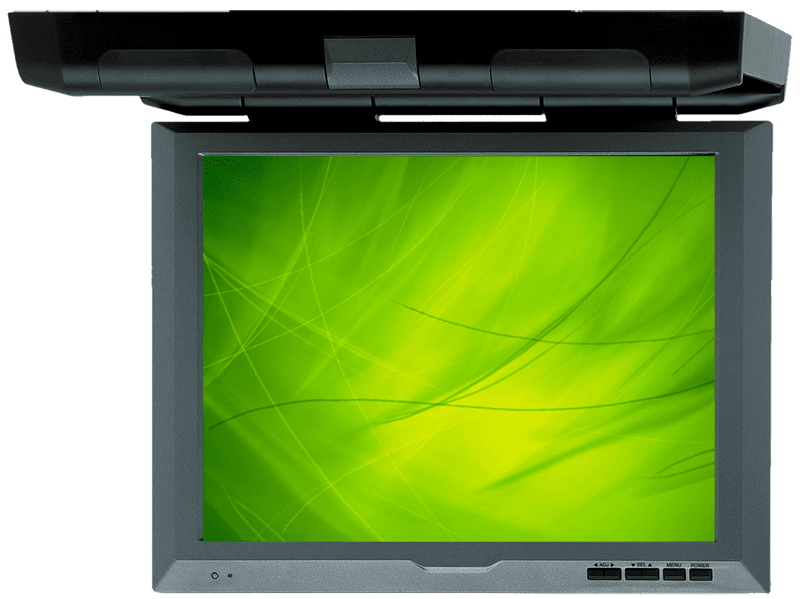
The overhead monitor is a thin LCD screen that mounts to the ceiling of your car or truck. The screen has a hinge on the top edge so it can be folded up against the roof when not in use. Monitor sizes range from 7 inches up to around 15 inches, with 10-inch models being among the most popular.

Rear Seat EntertainmentMost systems include a built-in DVD player. Watching a movie is as simple as inserting the disc and letting it start. Some systems include USB ports or SD card slots to play MPEG or AVI digital media files. Many units have multiple auxiliary A/V inputs for connections to aftermarket source units or external video sources like a video game system.

Your kids listen to the audio for the movie using a set of wireless headphones. Most of these headphone systems use infrared transmitters, so the kids have to be in the vehicle for them to work; not a problem on the average road trip. Some overhead monitors also include an FM modulator system. An FM modulator will take the audio signal from the movie and broadcast it over an FM radio station frequency. If everyone in the vehicle wants to listen, all you have to do is tune the factory radio to that station.

The installation of an overhead monitor usually requires that your installer cut a hole in the headliner. If you have leased the vehicle, plan on leaving the screen in at the end of the lease. The installer will attach a mounting bracket securely to the roof support structure; then the monitor can be installed. Many overhead monitors include built-in dome lights. The factory dome light location is often a great spot to mount a screen, so integrated lighting replaces the factory unit.

Headrest Monitor Solutions

Rear Seat EntertainmentHeadrest monitor solutions are the same as the screens in an airplane. For the rear-seat passengers, the screens are on the back of the driver and passenger headrests. There are two options for headrest screens: a display installed in most factory headrests, or a replacement headrest unit.

Installing a screen in a factory headrest will require that the upholstery on the rear be cut out to mount the screen. Again, this is a permanent solution. Aftermarket headrest systems vary in quality from manufacturer to manufacturer. Since the headrest is a critical and fundamental component of the safety system of your vehicle, this is not a place to skimp out on quality.

Audio playback typically works the same way as an overhead monitor. One advantage of many headrest systems is the availability of two audio channels. If you have two kids and two completely separate playback solutions, each child can watch a different movie. Headrest systems never block the perspective of the rearview mirror.

Integration with Aftermarket Source Units

Rear Seat EntertainmentIf you have an aftermarket multimedia receiver installed in your dash, then you can probably use that to play movies for rear-seat passengers. Your passengers will still need monitors in the rear, since it’s illegal in most states and provinces to have a video entertainment system playing within view of the driver.

Source units with dual- or two-zone capabilities will typically let you play a DVD and send the audio and video to screens in the rear while the driver and passenger can listen to the radio through the factory speaker system. If this is a feature you want to use, check with your mobile electronics retailer; different brands and models of head units have limitations on what sources can work with what zones.

Alternative Rear Seat Entertainment Options

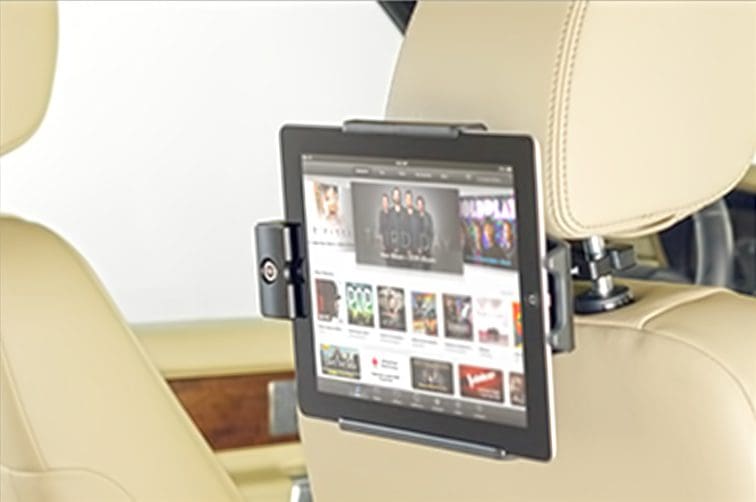
Rear Seat EntertainmentIf you own an iPad or another tablet, many brackets are available to let you secure those to the headrest mounting posts. Your mobile electronics retailer can install a high-current USB port in the back seat to keep the tablets charged for long trips.

A few companies make monitor systems that attach to the rear of a center console or strap to the seat in front of you. While these solutions don’t integrated with the vehicle as cleanly, they do offer entertainment – and that’s what matters.

If there is no dedicated rear-seat entertainment solution for your vehicle, don’t despair. Many mobile electronics retailers can create something for you from scratch. A custom tablet mount for the seat or center console isn’t a problem for most of them.

If you’re planning a road trip, drop into your local mobile electronics retailer a few weeks before you leave. They can show you the rear-seat entertainment options for your vehicle and book an appointment to have your choice of system installed.

This article is written and produced by the team at www.BestCarAudio.com. Reproduction or use of any kind is prohibited without the express written permission of 1sixty8 media.
Filed Under: ARTICLES, Mobile Video, RESOURCE LIBRARY

Ford F-350 Lighting And Remote Starter Upgrades For Anchorage Client

01/23/2017 By John Schwartz

Ford F-350 LightingA client from here in Anchorage came into Perfectionist Auto Sound and Security in search of some lighting upgrades and a remote starter for this 2016 Ford F-350. The client explained that he liked to go camping up near Wasilla, so the extra light would make evening drives much safer. We had a look at the truck, and showed the client a few options. He had done some research and found an auxiliary lighting solution that he also liked. We scheduled an appointment to perform the installation.

HID Upgrade Kits

Ford F-350 Lighting
The lighting upgrades helped make this truck much safer at nigh time.
Ford F-350 Lighting
Both the headlights and foglights were upgrade for much better output.

We started by removing the factory headlight and fog light bulbs from the truck. We installed Turnagain H13 BiXenon bulbs in the headlight housings.  Additionally, we added 9145/H10 bulbs in the fog light housings. Both bulb sets have a 6000K color temperature that gives them a great balance of light output and a cool modern look. We used a Hi/Lo harness on the headlight installation. We mounted the ballasts included with the kits securely, and we secured all the wiring out-of-sight. The result was a factory-looking installation with premium performance.

Led Light Bars

Ford F-350 Lighting
The dual light bars help provide extra lighting for backwoods roads.

The client asked us to install a set of Rough Country LED light bars for him. Rough Country makes a kit that mounts a pair of single-row 30-inch LED light bars in the factory grille. We had to make a few minor adjustments to align the lights perfectly, but the kit made the installation simple and effective. The curved light bars match the contour of the front grill nicely.

Remote Starter

Ford F-350 Lighting
The client has the ability to control his remote starter system with not only a traditional fob, but also his smartphone!

We set the truck up with a DroneMobile cellular interface and a Compustar remote starter with an RF-1WG6 remote control. As with all of our remote starter installations, we check the truck into the shop and confirm the functionality of the basic electrical system. Once we complete and test the installation, we have a different technician double-check everything. Then we use our tablet-based app to recheck all the vehicle systems. Our process adds a few minutes to each installation. But when it is combined with our attention to detail such as the use of Tesa cloth tape and soldered electrical connections, we can be sure that every remote starter installation is as perfect as we can make it.

Using the DroneMobile, the client can control locking, unlocking and remote start functions from anywhere (as long as both his truck and his phone have a cellular data connection). He could be on the beach in Cancun and still can communicate with his truck!

Ford F-350 Lighting And Remote Start Was A Hit!

The client loved the way the new lighting looked and performed, and he was excited to play with the DroneMobile App. Contact us here for information on our remote starter and lighting upgrades for your vehicle.

Filed Under: FEATURED INSTALLATIONS, Lighting, Remote Car Starters Tagged With: 2016, Compustar, DroneMobile, F-350, Ford, Rough Country

  • « Previous Page
  • 1
  • …
  • 51
  • 52
  • 53
  • 54
  • 55
  • …
  • 82
  • Next Page »

801 EAST 82ND AVE
ANCHORAGE ALASKA 99518
907-563-8112

Copyright © 2026 | Site design by award-winning creative agency D'zine Alaska , with site support by 1sixty8 Media and Modern Media Geeks.